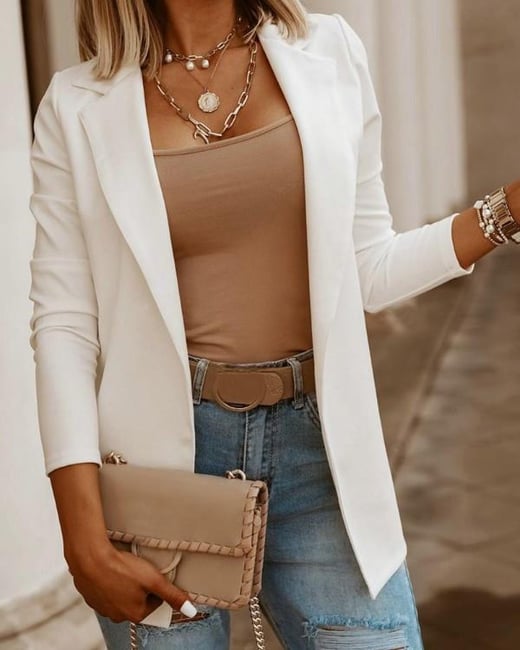
Women's Blazers: Your Complete Style Guide to Essential Jackets
The blazer stands as one of fashion's most versatile and transformative pieces, instantly elevating any outfit from casual to polished with effortless sophistication. Whether you're building a professional wardrobe, seeking weekend style solutions, or preparing for special occasions, the right blazer adds structure, confidence, and timeless elegance to your look. From classic tailored styles to relaxed oversized fits, modern blazers offer endless possibilities for expressing your personal style while maintaining that put-together aesthetic every woman desires.
Why Every Woman Needs a Blazer
Blazers represent the ultimate wardrobe investment piece, offering unmatched versatility that transitions seamlessly between professional and casual settings. Unlike trendy items that quickly become outdated, quality blazers remain style staples for years, adapting to changing fashion trends while maintaining their classic appeal. The structured shoulders and tailored lines of a blazer create an instantly polished silhouette that commands respect in professional environments and exudes confidence in social settings.
Beyond their aesthetic appeal, blazers solve the common "nothing to wear" dilemma by transforming basic outfits into complete, intentional ensembles. Throw a blazer over a simple t-shirt and jeans, and suddenly you have a chic weekend look. Layer it over a dress, and you've created an elegant outfit perfect for dinner or events. This transformative power makes blazers indispensable for busy women who need maximum style impact with minimal effort.
Essential Blazer Styles
Understanding different blazer styles helps you select pieces that suit your lifestyle, body type, and fashion preferences. Each style offers unique characteristics that work for specific occasions and personal aesthetics.
Single-Breasted Blazers
The single-breasted blazer remains the most versatile and universally flattering style, featuring one row of buttons and a streamlined silhouette. This classic design works beautifully for professional settings when worn with tailored trousers or pencil skirts, yet easily transitions to casual wear paired with jeans and sneakers. The simplicity of single-breasted blazers makes them perfect wardrobe foundations—choose neutral colors like black, navy, or gray for maximum versatility, or select bold hues like red or emerald to make confident statements.
Single-button blazers create elongating vertical lines that flatter most body types by defining the waist without adding bulk. Two-button styles offer traditional, balanced proportions that suit virtually everyone. When selecting a single-breasted blazer, ensure proper fit at the shoulders—this is the most important measurement and the most expensive to alter. The button should close comfortably without pulling or gaping across the chest.
Double-Breasted Blazers
Double-breasted blazers feature two parallel columns of buttons, creating a sophisticated, powerful silhouette inspired by classic naval uniforms. This structured style adds visual interest and authority, making it ideal for important presentations, formal business meetings, and evening events where you want to project confidence and elegance. The overlapping front panels create a slimming effect at the waist while broadening the shoulders for a commanding presence.
Modern double-breasted blazers come in both fitted and relaxed styles. Traditional versions are designed to be worn buttoned, showcasing the distinctive button configuration, while contemporary oversized versions can be styled open for a more casual, fashion-forward approach. This style particularly flatters taller frames and creates beautiful structure for those seeking to define their waistline.
Oversized and Boyfriend Blazers
Oversized and boyfriend blazers embrace relaxed, borrowed-from-the-boys aesthetics with loose, boxy fits and extended shoulder seams. These comfortable styles dominated fashion in the 1980s and have returned with modern updates, offering effortless cool that appeals to contemporary sensibilities. The relaxed silhouette provides comfortable all-day wear while maintaining that polished blazer elegance.
Style oversized blazers with form-fitting pieces underneath to create flattering proportions—think slim jeans, bodycon dresses, or tailored trousers. The contrast between the relaxed blazer and fitted basics prevents overwhelming your frame while showcasing the intentionally oversized aesthetic. Roll or scrunch the sleeves to show some forearm, which helps balance the proportions and adds casual sophistication.
Blazer Styles by Length
Cropped blazers hit above the natural waist, typically at the ribcage or just below the bust. This modern, feminine length works beautifully with high-waisted pants, skirts, and dresses, creating elongated leg lines that flatter petite frames and add youthful energy to any outfit. Cropped styles have become wardrobe staples, offering versatility that works for both professional and casual occasions.
Classic hip-length blazers represent traditional proportions, falling at the hip bone or mid-thigh area. This timeless length suits all body types and occasions, providing coverage and structure without shortening the leg line. Hip-length blazers work universally well with trousers, skirts, dresses, and jeans, making them ideal first blazers for building your collection.
Longline and duster blazers extend beyond the hips, sometimes reaching knee-length or lower. These dramatic styles create sleek, elongated silhouettes perfect for making fashion statements. Longline blazers work beautifully as lightweight outer layers during transitional seasons and add sophisticated drama to simple outfits. They're particularly flattering on taller women and create elegant vertical lines for all body types.
How to Style Blazers for Every Occasion
Professional Workwear: Create polished office looks by pairing tailored blazers with matching trousers for coordinated suit sets, or mix separates for variety. Combine blazers with blouses, button-down shirts, or silk camis, adding pencil skirts or straight-leg trousers. Stick to classic colors—black, navy, charcoal gray, or camel—for professional environments, and complete looks with closed-toe pumps or loafers.
Smart Casual: Bridge professional and relaxed aesthetics by wearing structured blazers over casual basics. Layer blazers over simple t-shirts or lightweight sweaters, paired with dark denim jeans or chinos. This combination works perfectly for client lunches, networking events, or business casual office environments. Add ankle boots, loafers, or clean white sneakers to complete the effortlessly polished look.
Weekend and Casual: Transform casual weekend outfits by adding oversized or boyfriend blazers over relaxed pieces. Throw blazers over graphic tees, tank tops, or casual sweaters paired with distressed jeans, leggings, or joggers. This styling approach creates intentional, put-together looks for brunch, shopping, or casual coffee dates while maintaining comfort and ease.
Evening and Special Occasions: Elevate evening wear by pairing blazers with cocktail dresses, slip dresses, or elegant separates. Choose blazers in luxurious fabrics like velvet, satin, or those with embellishments such as sequins or metallic finishes. Tuxedo-style blazers with satin lapels offer particularly glamorous options for formal events, creating sophisticated alternatives to traditional evening jackets.
Finding the Perfect Fit
Proper blazer fit determines whether this investment piece flatters your figure or hangs awkwardly. Focus on three critical fit points: shoulders should have seams that align perfectly with your natural shoulder edge—too wide looks sloppy while too narrow restricts movement and appears uncomfortable. Sleeves should reach your wrist bone when arms hang naturally; three-quarter sleeves are intentional style choices that work beautifully for petite frames or warm weather.
Body fit requires careful attention—button the blazer when trying it on to check for pulling or gaping. You should be able to slip one or two fingers between the buttoned blazer and your body. If fabric pulls creating horizontal lines, size up. If the blazer swims on you when buttoned, size down or seek more tailored cuts. Remember that professional tailoring can adjust sleeve length, take in the waist, or shorten the overall length, but shoulder alterations are expensive and sometimes impossible.
Frequently Asked Questions
Q: What color blazer is most versatile?
A: Black blazers offer maximum versatility, pairing seamlessly with virtually any outfit for professional or casual occasions. Follow with navy and gray blazers, which read as slightly less formal while remaining highly versatile for multiple settings.
Q: Can I wear blazers casually?
A: Absolutely! Blazers excel at casual styling—pair them with jeans and t-shirts, dresses and sneakers, or joggers for comfortable weekend looks. Oversized and unstructured blazers work particularly well for casual occasions, offering relaxed sophistication.
Q: How should a blazer fit through the shoulders?
A: The shoulder seam should sit precisely where your shoulder meets your arm—the highest point of your shoulder. This is the most important fit point and the most expensive to alter, so prioritize perfect shoulder fit when shopping.
Q: What's the difference between a blazer and a suit jacket?
A: Blazers are standalone jackets designed to be worn with various separates, while suit jackets are part of matching sets. Blazers typically feature more casual details like patch pockets and metal buttons, whereas suit jackets have more formal construction and are designed to coordinate with specific trousers.
Explore our curated collection of women's blazers featuring classic single-breasted styles, sophisticated double-breasted options, and modern oversized fits. From professional workwear to casual weekend pieces, discover blazers that elevate your wardrobe and empower your personal style with timeless sophistication.