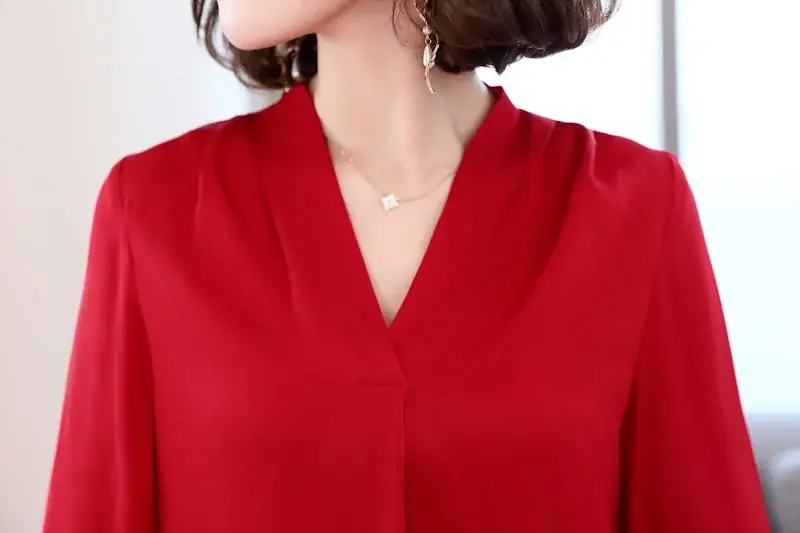
Wrap Top
Wrap tops with V-neck or surplice cuts draw the eye toward the bust line, away from the midsection.
Why we picked it: Jersey or silk blends drape better than stiff cotton; secure inner ties prevent gaping at the bust.
Shop on AmazonYou carry weight around your midsection, your bust runs fuller, and your hips sit narrower. That is the apple body shape. But here is the thing most guides skip: your legs are probably the strongest part of your silhouette. The right cuts draw attention to your face and neckline, let fabric move past the middle, and put those legs front and center.
Not sure if you're an apple shape? Take our quizAn apple body shape (sometimes called round or oval) means weight sits mostly around the midsection. The bust is fuller, the hips are narrower, and the waist is less defined. Apple shaped women tend to have lean, shapely legs. Roughly 14% of women fall into this category, based on the NC State SizeUSA study of 6,318 participants.
Understanding your measurements helps confirm if you have an apple body shape. Here are the typical proportions:
Common examples: 42-38-36, 40-36-34, or 44-40-38 inches
Measure bust at fullest point, waist at natural waist (or widest point of midsection), and hips at widest point. If your waist is your widest measurement, you likely have an apple shape.
These famous women share your body type:
V-necks, long pendant necklaces, and open cardigans all pull the eye downward in a vertical line. That lengthens your torso visually.
Empire waistlines sit just under the bust, right at the narrowest point of your upper body. The fabric flows from there without gripping the midsection.
Your legs are probably your best feature. Shorter hemlines and fitted pants put them on display.
Structured fabrics hold their shape and move past the midsection instead of clinging to it. Think ponte, cotton poplin, or mid-weight jersey.
Wearing one color family head to toe creates an unbroken vertical line. Works in navy, cream, olive, or any shade you like.
A-line cuts widen gradually from the waist, so they skim past the middle without adding bulk.
Skip belts at the natural waist. Instead, try one just under the bust or resting on the hips.
Layering works when the outer piece is longer and left open. A duster cardigan over a fitted V-neck tee is a reliable formula.
Each card opens an Amazon search for a silhouette that elongates the torso and skims the midsection — wrap tops, wide-leg pants, A-line skirts, empire waist dresses, structured blazers. FFIT-grounded picks for apple proportions.
Affiliate disclosure: As an Amazon Associate, DiscoverFashions earns from qualifying purchases. We only feature products we genuinely believe will help our readers.
Wrap tops with V-neck or surplice cuts draw the eye toward the bust line, away from the midsection.
Why we picked it: Jersey or silk blends drape better than stiff cotton; secure inner ties prevent gaping at the bust.
Shop on Amazon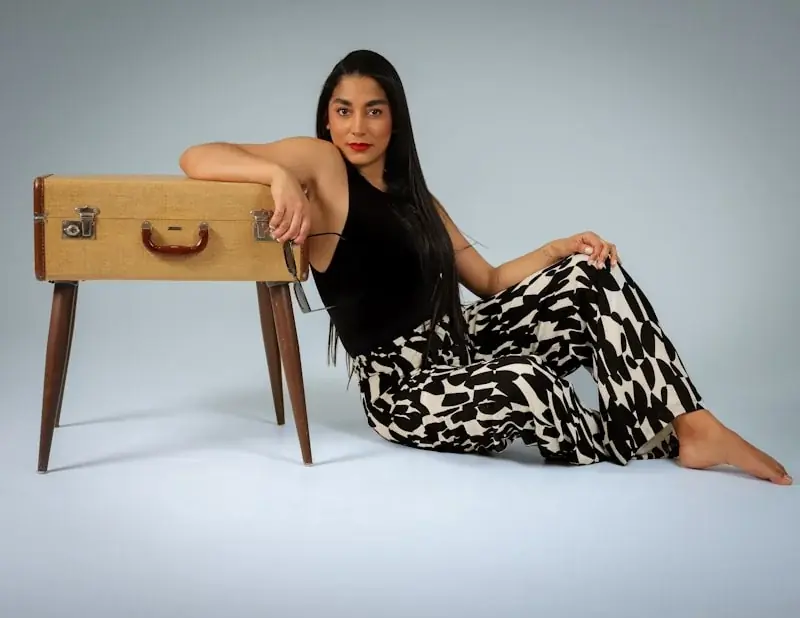
Wide-leg pants add length to the leg line and skim the midsection without clinging.
Why we picked it: High-waisted styles sit at or above the natural waist; flowy fabrics work better than stiff cotton.
Shop on Amazon
A-line skirts skim from the high hip outward, creating a flattering vertical line over the midsection.
Why we picked it: Look for a fitted waist and a clean flare; midi or knee length both work for apple proportions.
Shop on Amazon
The empire waist sits just below the bust, creating a long vertical line that elongates the torso.
Why we picked it: Sleeveless or short-sleeve cuts work for warmer months; long-sleeve versions extend into fall and winter.
Shop on Amazon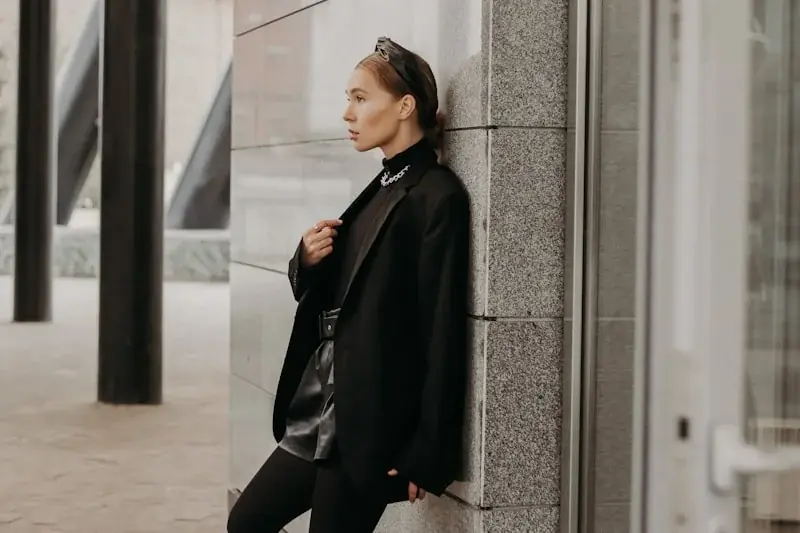
Structured blazers with a clean shoulder line frame the torso and add vertical definition.
Why we picked it: Look for single-button or open-front cuts; avoid double-breasted styles that add bulk at the waist.
Shop on AmazonThe best dresses for an apple body shape let the fabric do most of the work. You want something that sits well around the bust, moves past the midsection without gripping, and shows off your legs if you want to. Here are the dress styles that do that consistently.
The seam sits just below your bust, so the fabric flows freely from the narrowest part of your upper body. This cut works for everything from casual sundresses to formal gowns. Look for a V-neckline to make it even more complementary.
A true wrap (not a faux wrap) lets you adjust the fit exactly where you need it. The diagonal line of the wrap creates a visual waistline. Diane von Furstenberg designed them for exactly this reason.
Straight up and down, skimming past the midsection without drawing any attention to it. Best in structured fabrics like ponte or thick cotton. Add a long necklace for a vertical line.
Fitted through the shoulders and bust, then gradually wider toward the hem. Naturally balances proportions. If you pick one dress silhouette for your wardrobe, this should probably be it.
Similar to A-line but with more dramatic flare below the waist. Best when the "fit" part ends at or above the natural waist. Shorter hemlines let you show off your legs.
Floor-length with a V-neckline or empire waist is the combination that works best. Stay away from cinched waistbands at the natural waist. Flowy fabrics like chiffon or jersey drape well.
Jeans shopping with an apple body shape can be a headache. The waistband digs in, or it gaps at the back, or it sits fine standing but rolls down when you sit. Here is what tends to work when it comes to fit, rise, and cut.
Mid-rise (about 9 to 10 inches) sits below the fullest part of your midsection without cutting in. Straight leg creates a clean vertical line from hip to ankle. This is the most versatile option.
Fit tip: Look for stretch denim with at least 2% elastane for comfort through the waist.
The slight flare at the ankle balances your proportions from top to bottom. Mid-rise works best. Wear with a low-heeled boot or a wedge to get the hem sitting right.
Fit tip: Dark wash bootcuts look polished enough for smart casual settings.
The wider leg opening creates a balanced silhouette. Pair with a fitted V-neck top tucked in loosely (a "French tuck") so you get some waist definition without it being tight.
Fit tip: High-waisted wide-legs can work if the denim is thick enough to hold its shape and smooth the waistline.
Apple shapes often have lean, toned legs, which makes skinny jeans a real strength. Balance them with a longer top that hits at mid-thigh or a tunic. The contrast between slim bottoms and a flowing top is very complementary.
Fit tip: Mid-rise with a stretch blend. Avoid low-rise since it can create a muffin-top effect.
Where you place light and dark colors changes how your proportions read. You do not need to live in black, but being intentional about color placement makes a real difference.
Dark tones through the midsection (black, navy, charcoal, deep burgundy) with brighter or lighter colors at the neckline and face. This draws the eye upward naturally.
One color family from top to bottom creates an unbroken vertical line. This works in any color, not just dark ones. Try all-cream, all-navy, or tonal shades of green.
Prints and patterns on top (especially at the neckline and shoulders) draw attention up. Keep the midsection in solid colors. Vertical stripes through the torso work well too.
A contrasting V-neckline creates the strongest vertical pull. White V-neck under a dark cardigan. Bold patterned scarf with a solid dark top. The contrast at the neckline is what matters.
The styling principles for plus size apple shapes are the same as any apple body type: vertical lines, structured fabrics, legs and neckline as focal points. The good news is there are more options in plus sizes now than even a few years ago.
The right accessories can elongate your silhouette and draw attention to your best features. Here are expert recommendations:
Different occasions call for different styling approaches. Here's how to dress your apple figure for any event:
V-neck blouse in a solid color, straight-leg trousers in navy or charcoal, single-breasted blazer worn open. That combination covers most office situations. For meetings where you need to look sharper, a shift dress in ponte fabric does the job without feeling stiff. Keep jewelry simple and vertical: long pendant or thin chain.
The easiest weekend outfit for an apple shape is a flowy tunic over skinny jeans or leggings. Your legs do the heavy lifting here, so let them show. Throw on an open cardigan and ankle boots. When it gets warm, an A-line sundress with a V-neckline and flat sandals works just as well.
For formal events, an empire waist gown in chiffon or jersey drapes from just below the bust and falls straight. No cinching at the natural waist. For cocktail parties, a fit-and-flare dress with a V-neck that hits above the knee is hard to beat. It shows your legs and keeps the silhouette balanced.
Wrap dresses work well for date night because they create shape without being tight. Pick a fabric with some weight to it, not too clingy, not too stiff. Statement earrings and pointed-toe heels finish the look. If you are not a dress person, a V-neck blouse with dark slim-fit jeans and a structured bag looks just as put-together.
V-neck tunic tops over straight-leg jeans, empire waist dresses in cotton, and longline cardigans. Light layers let you adjust as temperatures swing without piling bulk around the midsection.
A-line sundresses with V-necklines, wide-leg linen pants with fitted V-neck tees, and flowy maxi dresses. Pick breathable fabrics that skim past the body. Cotton and linen are your friends here.
Longline blazers over dark jeans, wrap dresses in ponte knit, structured single-breasted jackets. An all-dark outfit in navy or charcoal creates a clean vertical line that works well into cooler weather.
V-neck cashmere sweaters, open-front long cardigans, A-line wool skirts with opaque tights. Layering works as long as the outermost piece is the longest. Think duster coat over a fitted V-neck.
An apple body shape, also called round or oval, is a body type where weight concentrates around the midsection. The bust tends to be fuller, the hips narrower, and the waistline less defined. Most apple shaped women have noticeably lean legs and arms. The NC State SizeUSA study found roughly 14% of the 6,318 women measured fell into this category.
With an apple shape, the bust and waist are usually the largest measurements, while the hips come in narrower. Typical examples: 42-38-36, 40-36-34, or 44-40-38 inches. The main giveaway is that the waist area measures close to or wider than the hips. A waist-to-hip ratio above 0.85 is a common indicator.
V-neck tops, empire waist dresses, wrap styles, flowy tunics, and A-line silhouettes tend to work well. The logic is simple: vertical lines draw the eye up and down rather than side to side, and structured fabrics move past the midsection instead of gripping it. Showing off your legs with shorter hemlines also helps balance the proportions.
Clingy fabrics around the midsection, belts that sit right at the natural waist, and cropped jackets that stop at the widest point of the torso. Horizontal stripes across the middle and boxy tops that add bulk without any shape also tend to work against apple proportions. High-waisted pants with a tucked-in fitted top can draw all the attention to the waistline.
It comes down to where the weight sits. Apple shapes carry it around the midsection and upper body, with narrower hips. Pear shapes are the opposite: narrower shoulders and bust, wider hips and thighs, with a more defined waist between them. The styling strategies are nearly reversed because of this.
Both shapes have a less defined waist, but for different reasons. Apple shapes carry visible weight around the midsection, often with a fuller bust and narrower hips. Rectangle shapes have evenly distributed measurements, with the bust, waist, and hips all within a few inches of each other. Apple shapes usually notice a bigger gap between bust and hip measurements.
Body shape alone does not determine health. Carrying weight around the midsection can be associated with certain metabolic considerations, but many healthy, active women have apple body shapes. If you have concerns, a healthcare provider can evaluate your individual situation. This page is about styling, not medical advice.
Bone structure does not change, and genetics play the biggest role in where your body stores fat. Exercise can help with muscle tone and overall fitness, but it will not turn an apple shape into an hourglass. The more practical approach: learn which cuts and fabrics work with your proportions rather than working against them.
Apple body shape classification is part of the five-category system used in fashion styling, based on proportional relationships between bust, waist, and hip measurements.
According to NC State University's SizeUSA study (2004), approximately 14% of women have an apple body shape.
Styling recommendations are general guidance based on proportional balance principles. Individual preferences and comfort should always take priority.
External Reference: Wikipedia - Female body shape
In-depth guide to understanding and celebrating the apple body shape
Expert clothing tips and outfit ideas for apple shapes
Celebrity examples and real-world style inspiration for apple shapes
How the apple shape compares to other body types
Use our free body shape calculator to discover your exact body type and get personalized style recommendations.
Calculate My Body Shape